
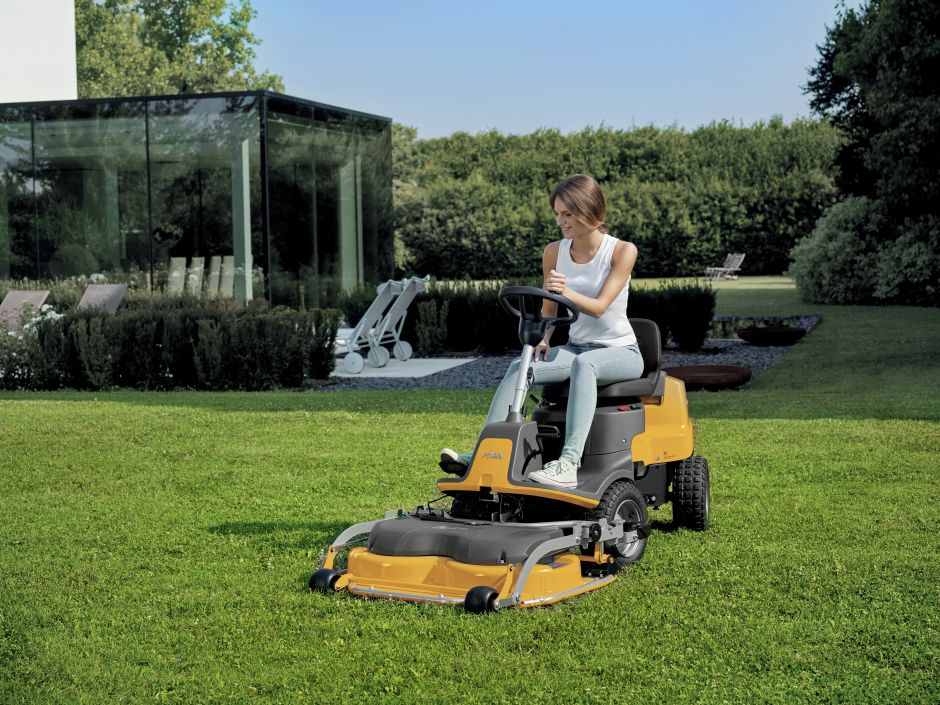
How to Mulch Correctly
Master the art of mulching to feed your lawn while you mow, saving time and creating a healthier, greener garden.
Turn Your Clippings into "Green Gold"
Mulching is one of the best things you can do for your lawn, but it has to be done right. Unlike regular mowing, mulching finely chops the grass clippings and returns them to the soil, acting as a natural, nitrogen-rich fertilizer. Following these core rules is not just recommended—it's essential for achieving a perfect mulched finish without harming your lawn.
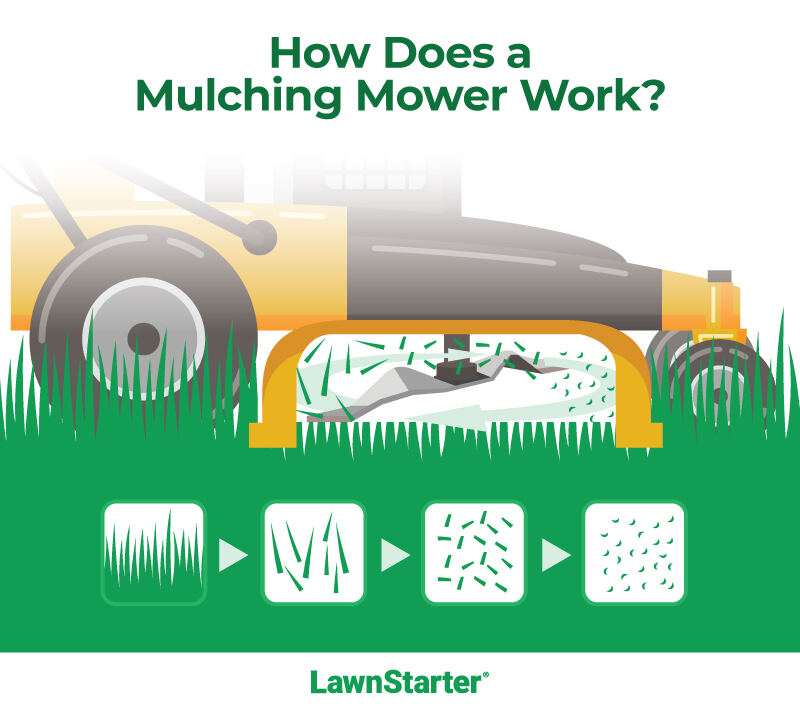
How Does a Mulching Mower Work?
Unlike a standard mower that discharges clippings, a mulching mower uses a specialized deck and blade system to recycle the grass. It's a precise, multi-stage process that turns clippings into a fine, nutrient-rich mulch for your lawn.
1. Lift & Cut
The high-lift blade creates a vacuum, pulling the grass blades upright for a clean, precise initial cut.
2. Suspend & Re-Cut
Instead of being discharged, the clippings are suspended in the air within the domed deck and repeatedly chopped into tiny particles by the spinning blade.
3. Return to Lawn
These fine particles fall deep into the lawn, settling on the soil surface where they are invisible to the eye.
4. Decompose & Fertilise
The clippings quickly decompose, releasing valuable water and nutrients (like nitrogen) back into the soil, acting as a 100% natural fertiliser.
The 3 Golden Rules of Mulching
Mastering these three rules is non-negotiable for a perfect mulched lawn.
Cut Here
Don't Cut
1/3rd
The One-Third Rule
This is the most important rule for mulching. Cutting more than one-third of the blade shocks the grass and creates clippings that are too long for the mower to process effectively, leading to clumps.
5cm
The Right Cutting Height
For effective mulching, a height of 5cm (2 inches) is ideal. This ensures the grass clippings are small enough to fall back into the lawn and decompose quickly, acting as a natural fertiliser.
Mow Only When Dry
Mulching wet grass is a recipe for disaster. It clogs the mower deck, creates unsightly clumps that smother the lawn, and prevents the fine clippings from being evenly distributed. Always mow a completely dry lawn.
Go From Good to Great
Once you've mastered the basics, these pro tips will take your lawn to the next level.
Know When to Mulch vs. Collect
Mulching is fantastic for returning nutrients to a healthy, regularly-mown lawn. However, if the grass is too long, wet, or showing signs of disease, switch to collecting the clippings to prevent problems.
Keep Your Blades Sharp
Mulching blades are specially designed. A sharp blade ensures clippings are cut into tiny pieces. A dull blade tears the grass and can't mulch effectively, leaving larger clumps behind.
Sharp Cut
Dull / Torn
Damage
Vary Your Mowing Pattern
Alternating your pattern (vertical, horizontal, diagonal) helps distribute clippings more evenly and prevents the grass from leaning in one direction, leading to a healthier, more upright lawn.
Keep the Deck Clean
Caked-on grass under the deck ruins airflow and prevents proper mulching, causing clumps. Scrape it clean regularly with a plastic tool for optimal performance and to prevent rust.
Operating Your Mower: Step-by-Step
A correct start is a safe start. Follow these essential steps for common mower types.
Starting a Walk-Behind Mower
Safety First
Place on flat ground. Check fuel & oil.
Prime Engine
Press primer bulb 3-5 times if present.
Engage Handle
Hold safety bar (OPC) to handlebar.
Pull Cord
One smooth, firm pull to start engine.
Starting a Ride-On Mower
Safety First
Sit firmly in seat. Check fuel & oil.
Disengage Blades
Ensure PTO (blade lever) is OFF.
Engage Brake
Press and hold the brake pedal firmly.
Turn Key
Turn to start, release when engine runs.
Your Mulching Checklist
Open a printer-friendly version of this guide to keep as a handy reference.